magnetic components are employed in various lighting applications, from traditional incandescent and fluorescent lights to modern LED and smart lighting systems. This article explores the diverse uses of magnetic components in the lighting sector and their impact on advancing lighting technologies.
Transformers for Halogen and Xenon Lights: Transformers are essential for low-voltage halogen and xenon lighting systems. They convert high-voltage AC from the power supply to the low-voltage AC required by these lights. High-performance transformers ensure efficient voltage conversion with minimal energy loss, providing stable and reliable operation for halogen and xenon bulbs.
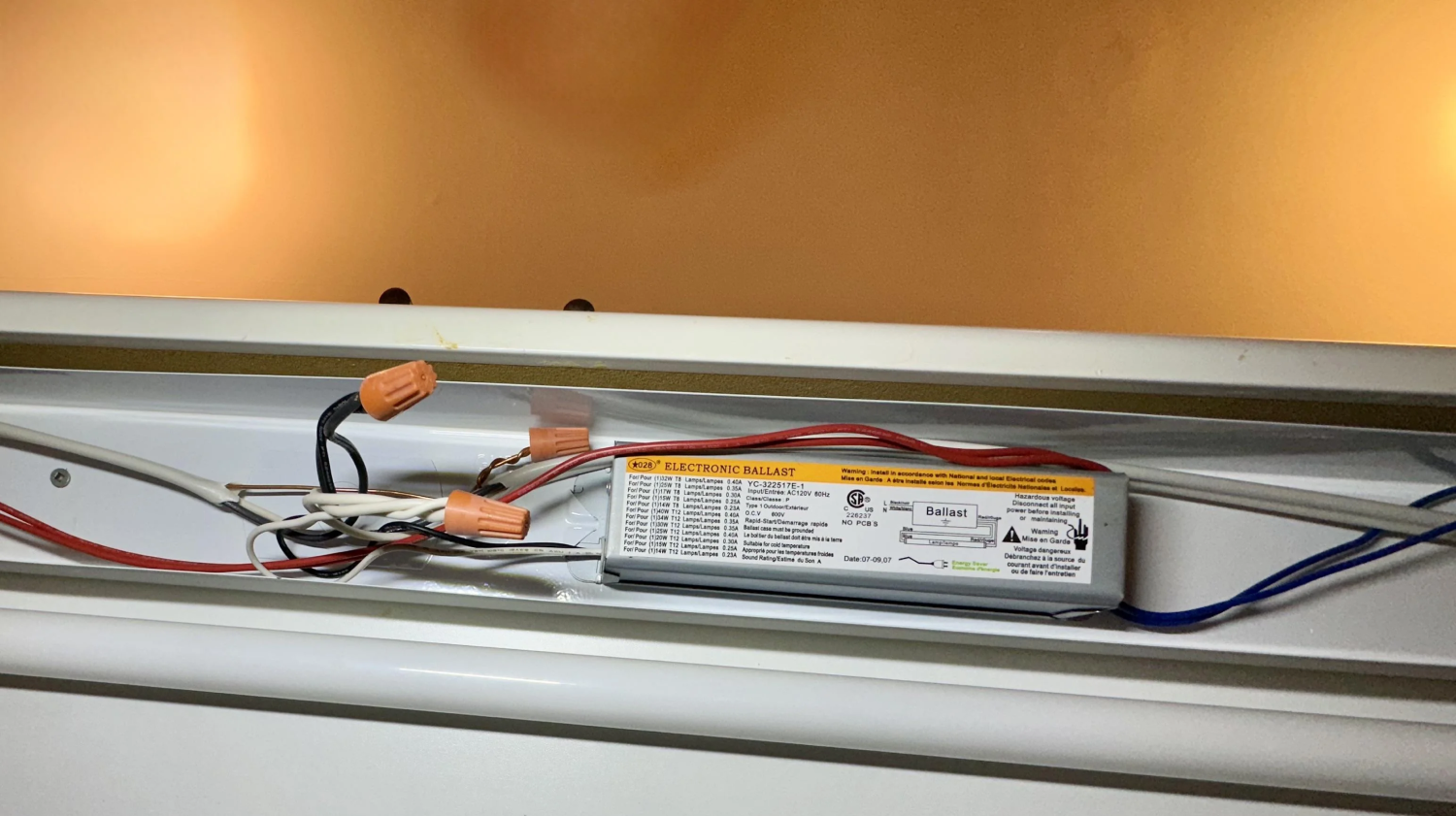
Ballasts for Fluorescent Lights: Magnetic ballasts are used in fluorescent lighting systems to regulate the current flowing through the lamp. These ballasts provide the necessary starting voltage and control the current to ensure consistent light output. High-performance magnetic ballasts help in reducing flicker and extending the lifespan of fluorescent lamps, contributing to more reliable and efficient lighting.

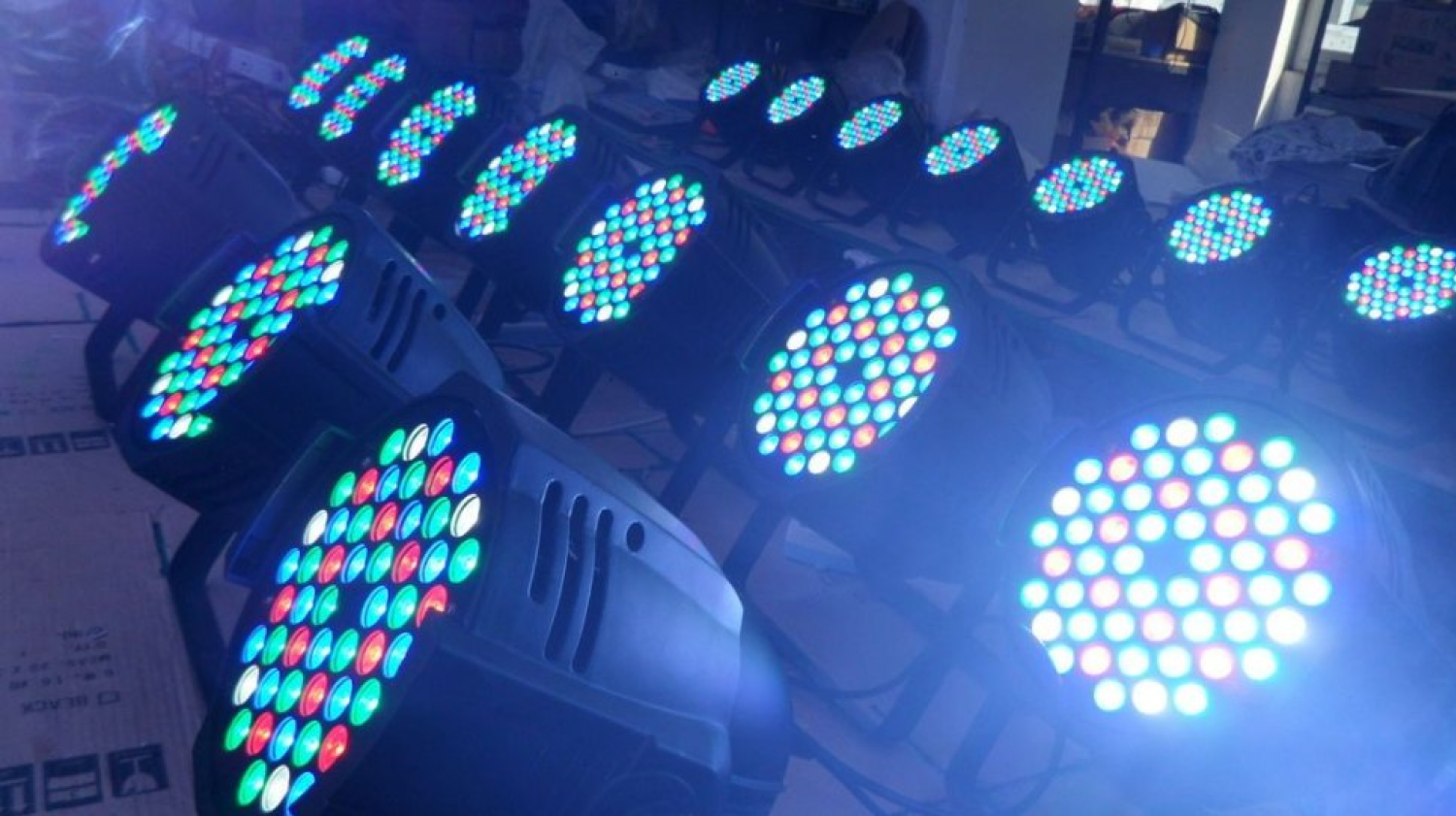
Inductors in LED Drivers: In LED lighting systems, inductors are used in LED drivers to regulate and smooth the electrical current supplied to the LEDs. High-performance inductors help in filtering out noise and ensuring stable current, which is crucial for maintaining consistent brightness and color quality in LED lighting.
Transformers for LED Power Supplies: For LED lighting systems that require specific voltage levels, transformers are used to convert AC voltage to the DC voltage needed by LEDs. High-performance transformers ensure efficient power conversion and stable operation, enhancing the overall performance and longevity of LED lighting systems.
Power Supplies and Converters: In smart lighting systems, magnetic components such as transformers and inductors are used in power supplies and converters to manage and regulate power. These components ensure that the smart lighting systems receive the correct voltage and current, which is essential for the proper functioning of advanced features like dimming, color changing, and wireless control.
Signal Conditioning for Wireless Communication: Magnetic components are employed in signal conditioning circuits for wireless communication in smart lighting systems. They help in filtering and amplifying signals transmitted between lighting controls and smart devices, ensuring reliable and interference-free communication.
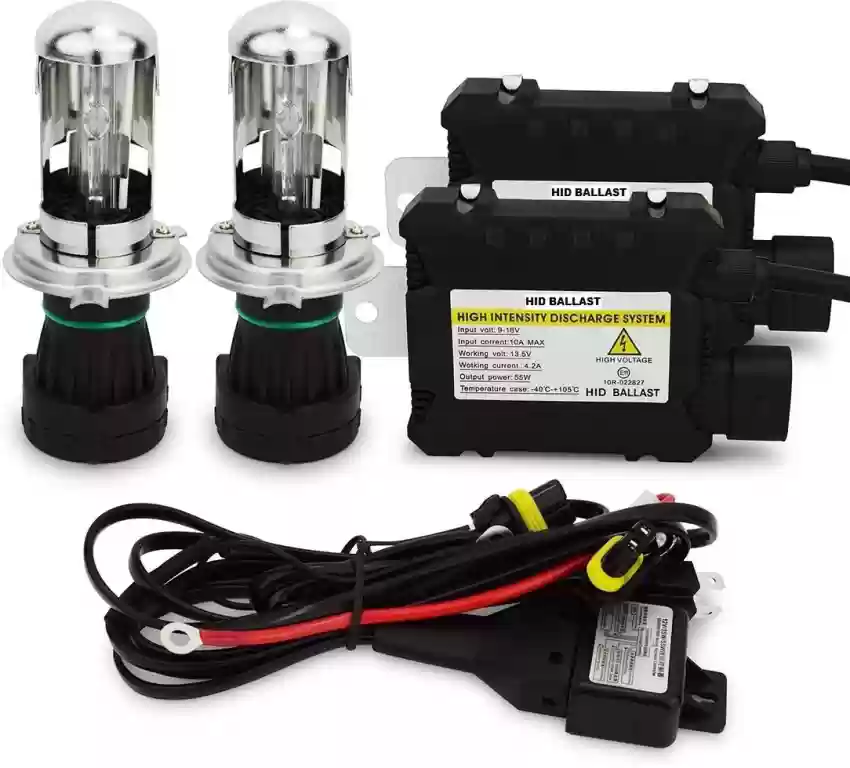
Ballasts for HID Lamps: High-intensity discharge (HID) lamps, including metal halide and high-pressure sodium lamps, require magnetic ballasts to regulate the electrical current. High-performance magnetic ballasts provide the necessary starting voltage and stabilize the current to ensure consistent and efficient operation of HID lamps.
Inductors in HID Ballasts: Inductors are used in HID ballasts to manage the current and voltage supplied to the lamp. They help in reducing electrical noise and ensuring stable operation, which is critical for achieving optimal performance and extending the lifespan of HID lamps.
Power Management in Street Lights: Magnetic components are used in power management systems for street and outdoor lighting to regulate and stabilize the power supply. Transformers and inductors help in converting and controlling voltage, ensuring efficient and reliable operation of street lights and outdoor illumination systems.
Inductors in Lighting Controllers: Inductors are employed in lighting controllers for street and outdoor lighting to filter and smooth the electrical signals. This helps in achieving precise control over lighting intensity and reducing electrical interference, contributing to more effective and reliable outdoor lighting systems.
From traditional incandescent and fluorescent lights to modern LED and smart lighting systems, these components contribute to improved performance and longevity. As lighting technology continues to advance, the role of magnetic components will remain critical in supporting the development of innovative and efficient lighting solutions.
Subscribe now to receive exclusive offers, and the latest updates directly to your inbox