Magnetic components are critical to the medical industry, where precision, reliability, and efficiency are essential. From advanced imaging technologies to life-support systems, magnetic components are used in a wide range of medical devices and equipment. This article explores how magnetic components such as transformers, inductors, chokes, and sensors contribute to the functioning of medical technologies and improve healthcare delivery.
Magnetic Fields in MRI: One of the most well-known uses of magnetic components in the medical field is in Magnetic Resonance Imaging (MRI) systems. MRI scanners rely on powerful magnetic fields to generate detailed images of the body’s internal structures. These fields are created using high-performance superconducting magnets, which are critical for producing the strong and stable magnetic field required for imaging.
Gradient Coils and Inductors: Gradient coils, a type of inductor, are used in MRI machines to create variations in the magnetic field. These variations help in precisely locating and mapping different parts of the body. High-performance inductors ensure that the gradients are stable, providing high-resolution images necessary for accurate diagnosis.
Transformers for Medical Devices: Transformers are used extensively in medical power supplies to convert and regulate voltage levels for various medical devices. From diagnostic machines to surgical tools, transformers ensure that each device receives the correct and stable voltage required for safe and effective operation. High-performance transformers provide efficient power conversion, minimizing losses and ensuring the reliability of medical equipment.
Inductors in Power Conditioning: Inductors are used in power conditioning circuits to filter and stabilize current in sensitive medical devices. Medical equipment requires clean and stable power to avoid malfunctions and maintain patient safety. Inductors help in smoothing out electrical noise and ensuring that power is delivered consistently to life-critical medical systems, such as ventilators, defibrillators, and infusion pumps.
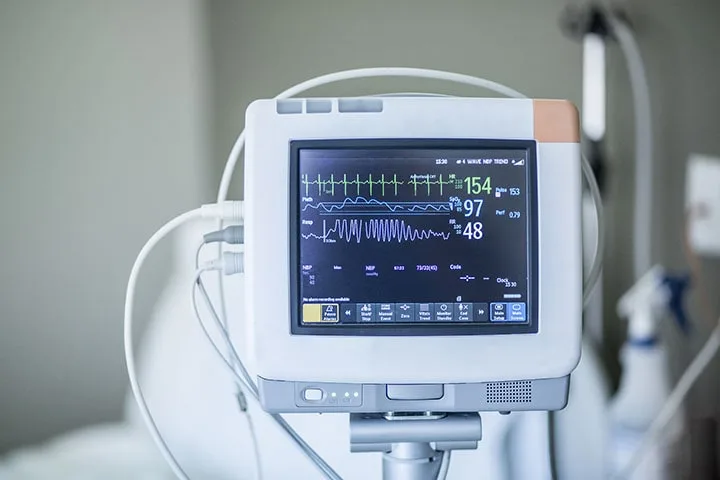
In patient monitoring systems, magnetic components such as inductors and transformers are used in power supplies and signal conditioning circuits. These systems, which monitor vital signs such as heart rate, blood pressure, and oxygen levels, rely on stable and uninterrupted power. High-performance magnetic components ensure the accurate measurement and display of critical patient data by filtering noise and stabilizing power delivery.
Magnetic sensors are commonly used in wearable medical devices to track patients’ vital signs remotely. These sensors detect changes in magnetic fields caused by body movement or other physiological processes. High-precision magnetic sensors help in real-time monitoring of patients' health, allowing for early detection of potential issues and enabling better management of chronic conditions.
Power Management in X-Ray Machines: Transformers and inductors are crucial in managing the power supply of X-ray machines. These machines require precise power control to generate X-rays for medical imaging. High-performance transformers ensure that the correct voltage is supplied, while inductors are used to filter and stabilize the electrical current, ensuring reliable operation.
Signal Processing in Imaging Systems: In advanced imaging systems such as CT (computed tomography) and ultrasound, inductors and transformers are used in signal processing circuits. They help in filtering out noise and improving the quality of the images by stabilizing the electrical signals. This ensures that the images are clear and accurate, aiding in the diagnosis and treatment of medical conditions.
Subscribe now to receive exclusive offers, and the latest updates directly to your inbox